Simple Feed
March 9, 2021
THE NOT-SO-SECRET WAY TO GET THERE

Originally ran in Sunday March 7, 2021 editions of Louisiana’s Gannett Newspapers
On a fall Sunday morning in the late 1980s, a Twentysomething me got into the back seat of a car in the parking lot of The Times-Picayune in New Orleans to head downtown to help cover a Saints game. Driving was Times-Picayune executive sports editor Bob Roesler; next to him was the paper’s long-time lead columnist, Pete Finney.
“You can never tell anybody about this,” Roesler said to me. He was smiling, like you do when you’re about to share something no one would believe.
“Not anybody,” Finney said. “Ever.”
And I haven’t.
Until now.
What happened was they drove me on a Secret Path to the Superdome. Side streets and under overpasses. Cars sometimes above us and sometimes below us and sometimes backed up on parallel streets to our car. We never stopped moving. And suddenly, we were at the Press Gate of the Superdome.
Never seen anything like it.
These guys knew how to get places. And it was most definitely Their Town.
Mr. Pete died at his home in New Orleans on a summertime Saturday morning in 2016. For 68 years, he’d been a sports reporter and columnist for his hometown paper. A friend once described him perfectly as “perpetually cheerful.” On press row at the Final Four in 1988 in Kansas City, I asked him how much longer he planned to work.
“Work?” he said, his smile as wide as the basketball court. “This isn’t working!”
Every day was a holiday and every meal a banquet when you were around Mr. Pete.
And then last week Mr. Roesler died, age of 93. His career at the paper began in 1949 and lasted until his retirement in 1994. For most of the past 25 years he was out of the public eye, and for the past 10, he and his family and friends dealt with his Alzheimer’s. Yes, he took Alzheimer’s into triple overtime.
“No one can accuse Bob of not preparing his family and friends for this moment,” joked Bob’s nephew, Bill Haber.
That’s a line from a story last week for Crescent City Sports by Brian Allee-Walsh, who worked for Mr. Roesler a lot longer and knew him a lot better than I did.
“He was not a wordsmith and cared little about turning a colorful phrase,” Allee-Walsh wrote. “Rather he based his longstanding success and longevity on substance, accuracy and making a deadline. I can still hear him remind staffers ‘not to Red Smith it.’”
“Old school in every way,” Allee-Walsh wrote. And he was. Old school in all the right ways. It’s refreshing to think about, back in a Tweet-less, post-less world, when all of ball seemed fun, like recess all the time.
Mr. Bob brought a clear head and a genuine thoughtfulness to his job. What was best for New Orleans was what he was going to do. He lobbied his buddies in the NFL in the late 1960s and proved to be the point man in helping the city land its first Super Bowl, in 1970 in old Tulane Stadium, when the Superdome was still only a grand idea. New Orleans has hosted the game 10 more times since then.
Here are some thoughts from some of his friends in the Louisiana Sports Writers Association.
“He was one of Louisiana’s legendary sports journalists.”
“He certainly seemed to go out of his way to be very nice and encouraging to me back when I was first starting out.”
“He was a wonderful man, a great mentor and a helpful friend when I was so young and green and learning my way. He never made me feel like I didn’t belong in his world or his department. I’m sad he is gone but I’m glad his long battle is over.”
“Bob was a true giant in New Orleans sports journalism, a representative of a long-ago time when the local sports editor/columnist wielded great influence. Bob always did it to make his town a better place.”
He was so good to us newbies. Made you feel like one of the team right off the bat. Never a phony, never a bully, always a leader by example.
He knew that being authentic and putting others first was the way to get there. It’s the path less taken, but the right way and quickest way to get to where you really want and need to go never really was a secret after all.
-30-
March 8, 2021
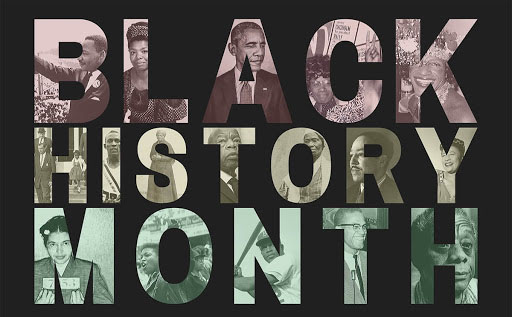
GRATEFUL FOR THE GIFTS OF LIFE’S COLORS
(Originally ran in Sunday February 28, 2021 editions of Louisiana’s Gannett Newspapers)
“Jesus loves the little children,
All the children of the world,
Red and yellow, black and white
They are precious in his sight.
Jesus loves the little children of the world.”
Black History Month began in 1970, something we pre-teens in rural American knew not one thing about.
History—black and white—was in fact happening all around us. And we didn’t realize that either. Not really.
In the rural South then, integration came a year later. I remember hearing the word “integrate” and, once it was explained, I was pretty much looking forward to it. This meant friends like Zeke and Alfonza and Johnnie Brown and Farmer Blue, kids I played with all year and worked with in the summers but didn’t go to school with, would now be around all the time. At school.
Recess was about to get kicked up a notch.
Not until much later did we kids find out about all the fretting going on in the Grownup World. The possibility of racial trouble and who knows what else.
Ignorance in my world was bliss, I suppose.
The world was color blind to me then. But I doubt it was to Zeke and Johnnie. Maybe they were worried and maybe their parents were. My town, I found out much later, had its share of racism.
But in 1971, I can’t remember a single problem caused by integration. At least one thing was just the opposite, and that was back-to-back state football championships; we were much better together than apart.
Fifty years removed from that time, I wonder how my teachers who were black felt about white children invading the classroom. Maybe I missed something but I never felt they held my color against me, even if they had a right to.
Miss Felder was my homeroom teacher and my social studies teacher. What was homeroom for her like, that first day of black and white children being in the same classroom? In her classroom? Seemed great for us sixth graders, so Miss Felder must have done just the right things to make it that way. Set a tone and all.
On June 1, 1972, she signed (and dated) my yearbook: “Teddy, The road to success is a hard one, so study hard and things will come easy. I’ve enjoyed you as a student and hope you continue to be successful. Good luck in the future. Miss Felder”
“She hopes I continue to be successful? I’m 11!” I knew the multiplication tables, how to drive a tractor, and how to throw a baseball. What success had I had? But hey, if Miss Felder says it, maybe she has faith in me. Plus she drew like a little cloud around her inscription.
It’s the little things.
Mr. Anderson in chemistry. Mr. Jones in physics. Mrs. Johnson, our librarian. Mr. Roosevelt, the school’s custodian and fix-it man. Gentle souls toward us students, every one.
Mr. Leroy Williams was the best. He taught science and built something he billed as the only “Zero Eraser” in the world, a big piece of plywood with metal dots on it. From the metal dots hung index cards with answers on them. He asked you a question and handed you a rod and if you touched the rod on the right answer, a light by the card would go off.
Goodbye to that ugly Zero you’d earned earlier by missing a homework question or by misplaying a pop quiz.
One day he took off his glasses and rubbed the bridge of his nose with his eyes closed while he tried to explain that matter is neither created nor destroyed. “Everything you see on this Earth or ever will see comes from something the Good Lord created,” he said.
Always wore a tie. Great teacher. Patience of Job, wise, and sneaky funny. I loved him.
They were better teachers by a long shot than I was a student. They taught me black history too; I just didn’t know it or appreciate it at the time.
-30-