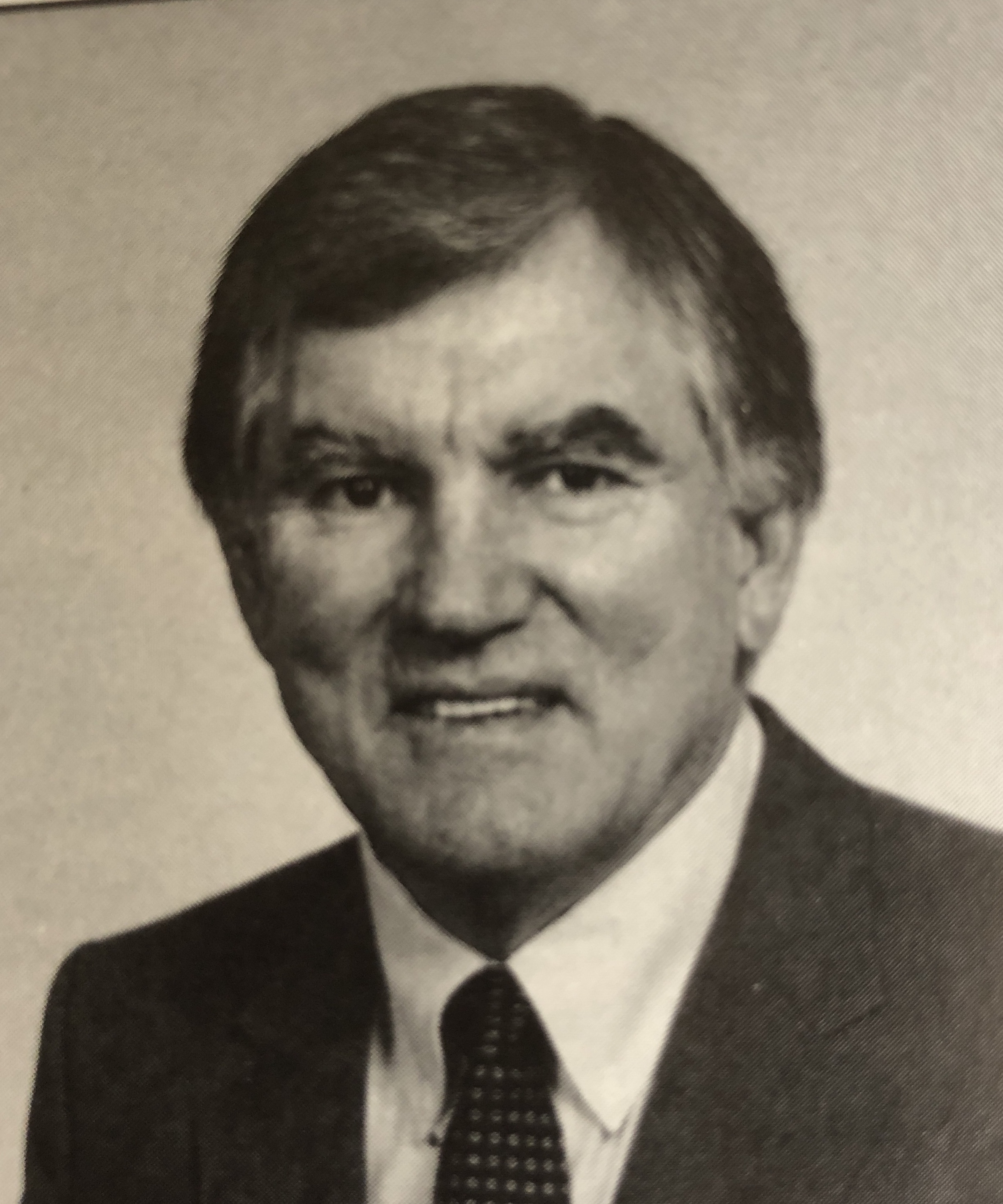
In a 19-paragraph story about his death on ESPN.com, there was no mention of Forrest Gregg having been the head coach of the Shreveport Pirates of the CFL during the 1994-95 seasons.
However, that doesn’t mean he didn’t make an impact.
When he died Friday at age 85, Gregg had lived a football life and, yes, the CFL and Shreveport was a very small part of it. But the mere fact that he was the coach of this fledgling team gave immediate credibility to a franchise desperately trying to gain a foothold. Ultimately, that didn’t happen. But the memories remain.
“I will never meet a stronger, tougher or more admirable person than Forrest Gregg,” said Lonie Glieberman, who was the Pirates’ team president. “He taught me much about football and business but even more about life.”
During those two seasons in Shreveport, I was the play-by-play on the radio and TV broadcasts for the team. Getting to deal with Forrest Gregg on a daily basis during the season was one of the greatest pleasures I’ve had as a media member. There was a lot of time to be around him during airport delays, bus rides and around the team offices. This was a football man if ever there was one; you always knew he was in charge but once you got to know him, he was quite engaging.
He loved to talk football and he had a lot to tell.
Gregg was a Hall of Fame lineman for the Green Bay Packers during the 1950s and 1960s when the Packers won five NFL/Super Bowl titles (he picked up a sixth during his final year of 1971 as a Dallas Cowboy). Vince Lombardi once said Gregg was the greatest football player he ever coached. He played right tackle during a time when that position was valued than left tackle as it is today.
He went on to coach the Cincinnati Bengals to a Super Bowl berth after the 1981 season and also coached Cleveland and the Packers.
But here’s all you need to know about Forrest Gregg: He left his job at Green Bay to go back and coach SMU, his alma mater, after two years of the NCAA-imposed death penalty. He was loyal to a fault.
Perhaps that move helped him a few years later when he coached the Pirates. At SMU, Gregg was bigger than probably every player on the team. It was a team full of undersized freshmen that more closely resembled an intramural team. The Mustangs won only three games in two years and once gave up 95 points in a game.
Gregg wasn’t the original coach selected to take over the Pirates when the move was announced that the expansion team would play in Shreveport during the 1994 season (it was John Huard instead). But a few weeks before the team played its first game, Huard was fired (it was more like an insurrection) by team Glieberman, who immediately hired Gregg.
Think about it — a Hall of Fame player and a Super Bowl coach was in charge of an expansion team in Shreveport.
What happened from there wasn’t pretty. The Pirates struggled the first year (winning three games) and though they showed improvement in the second year, it wasn’t enough to keep the team in town. It was a chaotic situation with the team ownership and often divided both city officials and citizens.
“He brought calm and great leadership into a world of chaos that was that first year,” Glieberman said.
It wasn’t easy asking Gregg about loss after loss, but he handled it well. But he loved talking about “the good old days” when he once played in 188 consecutive games (at the time, an NFL record). You could ask him about favorite memories, behind-the-scenes stories and some of those legends he went up against every week.
He’d talk about Lombardi, the Ice Bowl and playing in Super Bowls. He didn’t mind a good-natured discussion about how football had changed or how he would have fit in during the NFL almost 25 years after he retired.
“I really think he was building a great team in Shreveport and had we played that third year, I think we were ready to take off,” Glieberman said. “Many of those players he coached went on to have great careers in the CFL.”
Forrest Gregg was an all-time NFL great. He never backed down from a challenge, whether it was bringing back SMU football or beating cancer — twice. His was a resume that few can match. Coaching the Shreveport Pirates wasn’t a big part of that.
But never let it be said that he didn’t make a difference, no matter what the record.